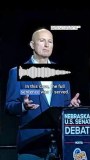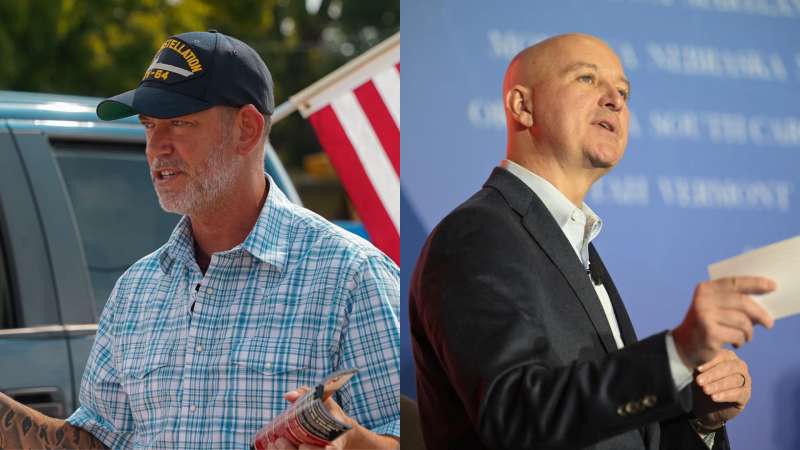
The race for US Senate in Nebraska has garnered national attention both for the stark contrast between candidates and the seat’s potential to determine control of the legislative chamber.
This November, Nebraskans will decide between incumbent Republican Sen. Pete Ricketts and Independent challenger Dan Osborn, concluding a race defined by electoral antics and sharp rhetoric.
Ricketts, a successful businessman and the eldest son of TD Ameritrade founder Joe Ricketts, previously served as governor from 2015 to 2023. He was elected to serve out the remainder of former US Senator Ben Sasse’s term in 2024 and now faces reelection to serve a full six-year term in 2026. He is the seventh-richest member of Congress with an estimated net worth of $224 million.
Osborn, a registered nonpartisan from Omaha with a blue-collar background in union leadership, previously ran for US Senate in 2024, challenging Sen. Deb Fischer in what became a race that was tighter than anticipated. Osborn’s working-class centered message out-performed Democratic candidate for President Kamala Harris by more than six points.
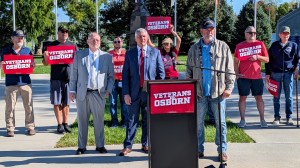
The matchup has been noted for its “mechanic vs. millionaire” dynamic, with Osborn’s lack of partisan affiliation also fueling an “establishment vs. outsider” dynamic.
Ricketts, 61, has largely aligned with the national Republican Party’s agenda—as well as President Donald Trump’s—during his time in office. He could be said to have been a critical vote in the narrow passage of the “One Big Beautiful Bill Act” (H.R. 1).
According to the former governor’s website, his reelection campaign is centered around cutting taxes and slashing government budgets, support for Trump’s approach to immigration enforcement, and hawkishness towards perceived foreign adversaries, namely China.
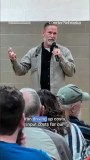
On the other hand, Osborn has described his platform as “paycheck populism,” focusing on material and economic policies, not culture war issues. During campaign stops and rally speeches, Osborn often criticizes rising healthcare costs, corporate price gouging and monopolization, and the perverse influence of money and lobbyists in politics.
Osborn has committed to a statewide tour of all of Nebraska’s 93 counties in the leadup to the election this fall. More details on his tour can be found here.
Election Day for the 2026 midterms is Nov. 3, with early voting beginning on Oct. 5. The last day to register to vote is Oct. 16. Check your voter registration status below.