By Chrystal Blair
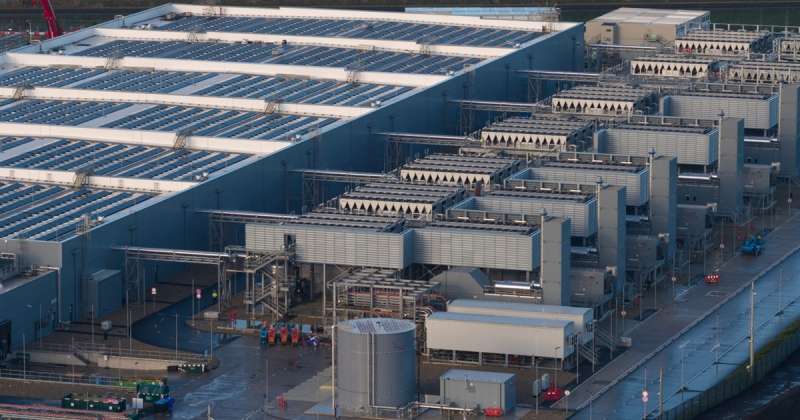
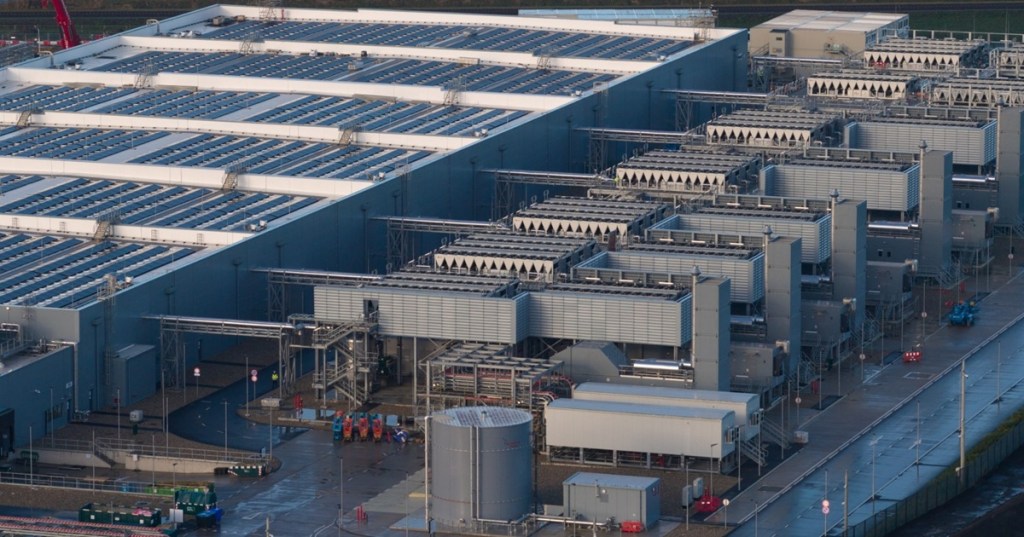
The Winnebago Tribe of Nebraska is fighting to stop a proposed data center that Google wants to build in Salix, Iowa, just across the state line near the Missouri River.
Google is considering a site spanning about 900 acres. Tribal leaders said the project could put pressure on water to which the tribe has a legal usage right, based on a Supreme Court ruling more than a century ago.
Margaret Scott, a member of the Winnebago Tribal Council, explained the water supplies are connected.
“The groundwater from the Dakota Sandstone Aquifer and the Missouri River are actually where our wells pull from in the Winnebago Reservation, and all the fresh water that sustains our community is actually from these two aquifers,” Scott pointed out.
She added the Winnebago Tribal Council has approved a resolution opposing hyperscale data centers on or near its reservation. Google said it is still evaluating the Salix site and intends to consider local water resources as it develops plans.
Tribal leaders speak out against proposed data center in person
Scott stressed tribal leaders have attended meetings to make their position known, submitting written comments as Woodbury County considers rules for data centers. She emphasized the tribe’s opposition to the hyperscale data center is deeper than just an objection to a neighborhood development.
“This is a sovereignty issue, because whenever the U.S. government reserves land for an Indian tribe, it’s implied that they reserve all the water necessary to sustain the tribe now and into the future,” Scott contended.
She added protecting the water matters for the tribe’s future generations, referencing a troubling global projection from UNICEF.
“UNICEF’s actually saying by 2040, one in four children will be in water stress, meaning that they will have a very high lack of water,” Scott underscored.
Scott argued the Missouri River is part of the tribe’s identity, history and way of life. She noted the tribe has given its contact information to Google and MidAmerican Energy but neither has contacted tribal leaders about the potential data center.
Related: Nebraska resident accuses data center developer of misleading farmers