By Mark Moran
The federal government has officially returned 1,600 acres of land to the Winnebago Tribe in Nebraska once condemned by the U.S. Army Corps of Engineers more than 50 years ago.
The area was supposed to be turned into a recreational water park but will now be left in its natural state and governed by the tribe.
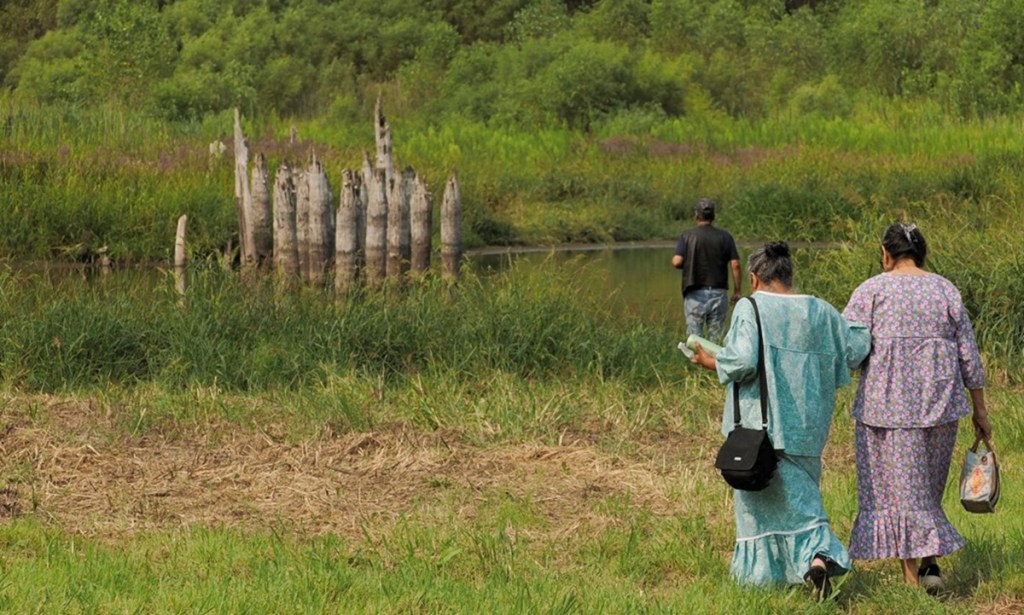
The Winnebago Treaty of 1865 created a reservation for the tribe but 54 years ago, the U.S. Army Corps of Engineers used eminent domain to condemn the land. It remained so until the Biden administration signed the Winnebago Land Transfer Act in 2024.
What the Winnebago Tribe of Nebraska has to say
Eugene DeCora, vice chair of the Winnebago Tribe of Nebraska, said the tribe recently celebrated the land’s official return, emphasizing the land is important to the sovereignty of Native people.
“It’s upholding the treaty right, the Treaty of 1865, which we stand on, which gave us the land to thrive, raise our children, live with our grandparents, live amongst ourselves,” DeCora explained.

DeCora noted the land in the northeast corner of the state is used for hunting and fishing, and will stay in its natural state, known for its world-class white-tailed deer, which are now hunted with bows rather than rifles.
“It actually improved the herd’s numbers. We have much more healthy, quality deer now, getting back our award-winning bucks. People come from all over the country to hunt in our area,” DeCora pointed out.
The tribe is working with the Iowa Department of Natural Resources on the tribal land just across the Missouri River to take the same approach, keeping the herds and the land healthy and sustainable.
Related: Omaha community leaders are planning to climb Mount Kilimanjaro—but why?