With automated license plate readers on every highway and doorbell cameras on every stoop, surveillance is the hot-button issue of the day. CHI Health Good Samaritan Hospital in Kearney, however, has launched a new monitoring program that is sure to provoke nothing but gratitude from patients and their loved ones.
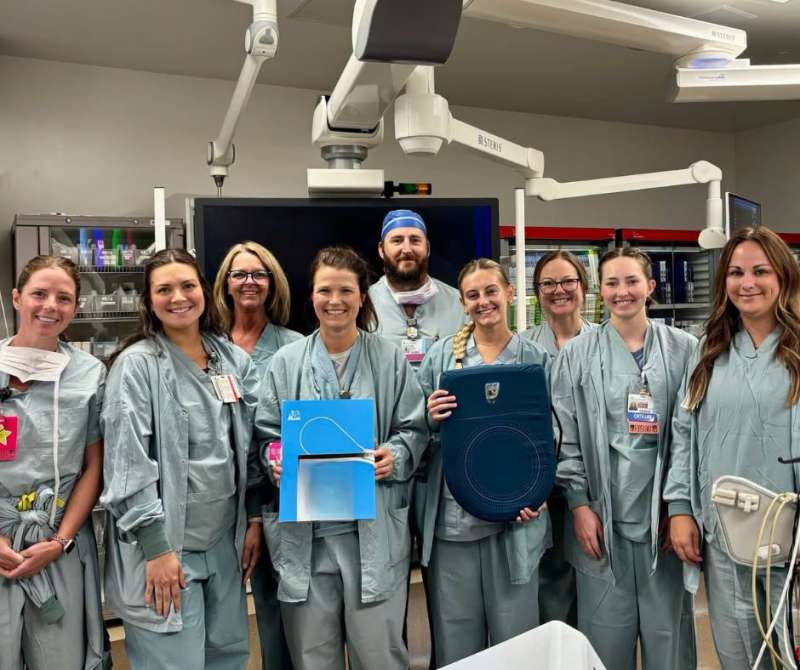
The hospital recently carried out its inaugural pulmonary artery pressure monitor implant, placing a sensor the size of a paper clip inside the pulmonary artery of recipient Janet Fletcher, as reported by KSNB.
The sensor will wirelessly transmit pressure readings to the cardiology team at Good Samaritan so they’re able to get ahead of any issues in Fletcher or other qualifying patients who have experienced heart failure.
“Early detection of pressure changes lets our providers adjust treatments before debilitating symptoms start, preventing further heart damage, hospitalizations and giving patients peace of mind,” reads a post from the CHI Good Samaritan Facebook page that followed the procedure.
Fletcher said the procedure was “quick and easy,” according to Central Nebraska Today.
“Having this technology locally is going to be life-changing for me,” said Fletcher, who lives in Litchfield, a 40-minute drive north of Kearney. “It provides such peace of mind knowing my team is keeping a close eye on my heart failure.”
The new offering builds on a renowned cardiology program at CHI Good Samaritan that has earned the hospital recognition as recently as July, when both Good Samaritan and CHI Health St. Francis were awarded the highest accolade possible for stroke care by the American Heart Association and American Stroke Association.
According to those organizations, stroke is the fifth-leading cause of death and a leading cause of adult disability in the US.
With heart failure serving as a major risk factor and potential precursor to stroke, patients in and around Kearney can take it to heart that their local hospital is providing the best care possible.
RELATED: Nebraskans start losing Medicaid coverage under new work requirements