By Mark Richardson
Tribal communities in Nebraska and elsewhere face a widening funding crisis.
A new report showed federal cuts and scarce philanthropic dollars now threaten long-term progress across Indian Country. The pressure is especially sharp in higher education among tribal colleges. The Brookings Institution and the American Indian College Fund released the analysis.
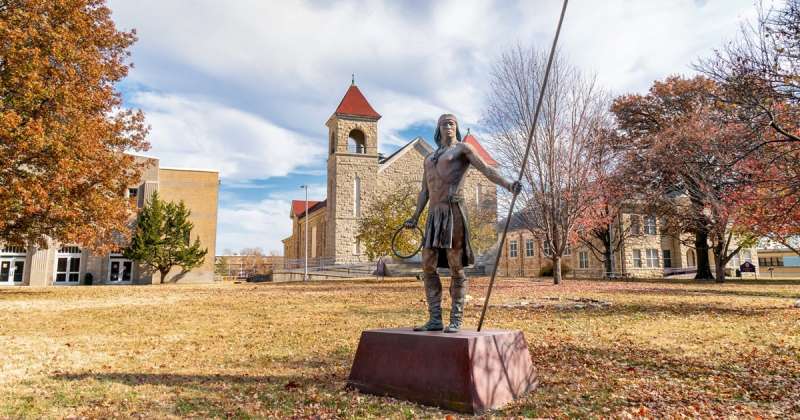
Manoj Patil, president of Little Priest Tribal College in Winnebago, said pandemic-era investments brought temporary gains to Native colleges but recent federal actions have reversed much of the momentum.
“This constant threat of funding cuts impedes our growth because we are not sure whether to be aggressive in offering new programs or to be careful. That’s the biggest issue we face,” Patil explained.
How tribal colleges benefit everyone
Patil noted there are only 34 tribal colleges and universities in the U.S., and Little Priest is one of only two such institutions in Nebraska. He stressed every dollar invested in the schools returns $1.60 in tax revenue, benefiting both Native and non-Native communities.
Cheryl Crazy Bull, president and CEO of the American Indian College Fund, said the report provides significant evidence of chronic underfunding by the federal government, despite trust and treaty obligations to Native Americans.
“You can’t really have this self-determination in the Native community without being a culturally grounded, well-educated person,” Crazy Bull contended.
Rob Maxim, tribal economics fellow at The Brookings Institution and co-author of the report, said high-profile figures like Amazon cofounder MacKenzie Scott will occasionally step up with notable contributions to Indian Country but he acknowledged it is rare.
“It is really hard for tribal leaders themselves, for Native-serving institutions to make decisions based on the lack of data that’s out there,” Maxim observed.